Computerised Eye Testing in Hyderabad | Sarojana Eye Hospital
Advanced digital refraction and vision testing for precise prescription
What is Computerised Eye Testing?
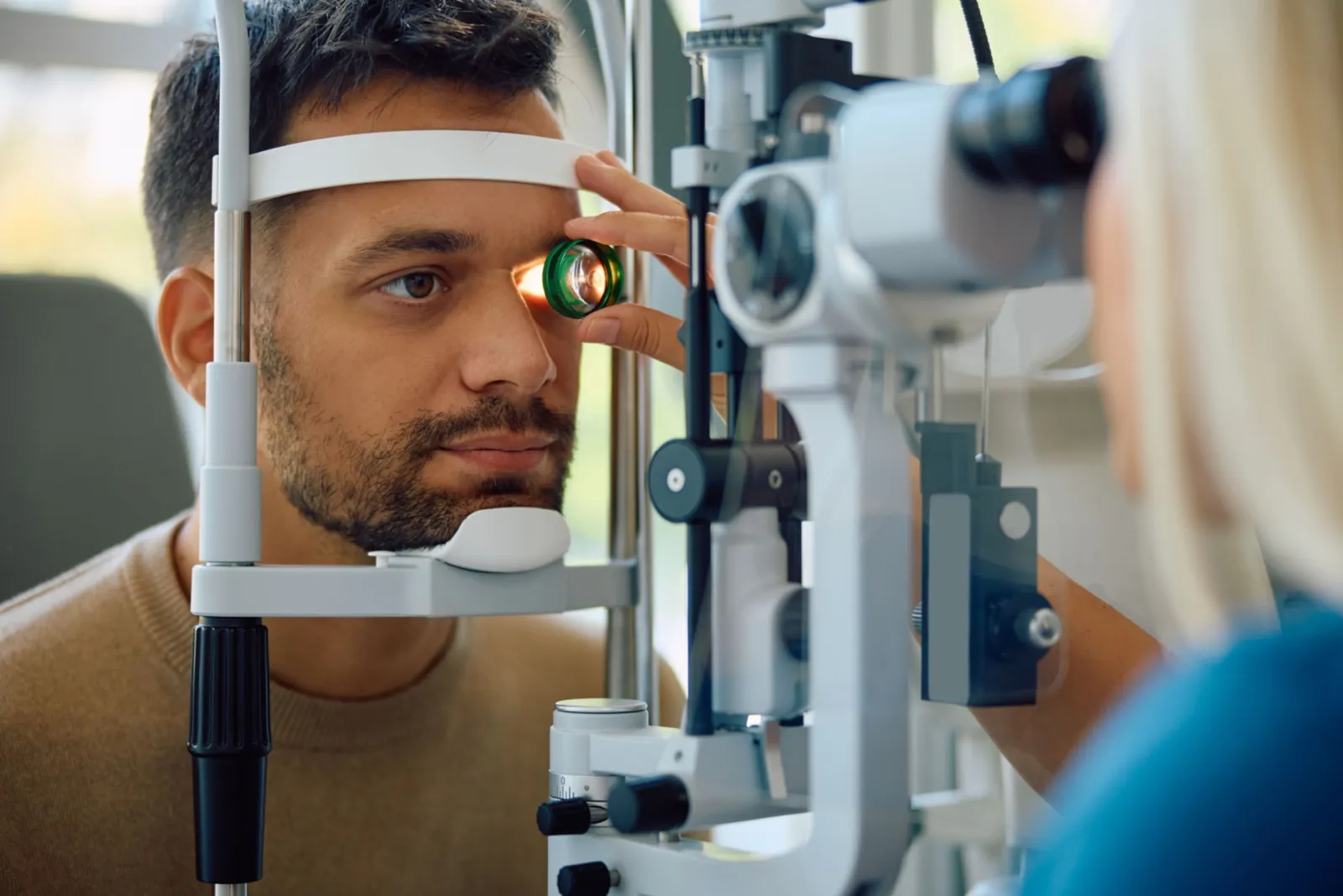
Computerised eye testing uses digital autorefractors and precision instruments to measure refractive error accurately before fine-tuning by an ophthalmologist. At Sarojana Eye Hospital in Hasthinapuram, Hyderabad, this ensures reliable spectacle and contact lens prescriptions with less trial-and-error. Modern autorefractors analyse how light enters your eye and provide an objective starting point for your final prescription. This technology is especially helpful for children, patients with language barriers, and those preparing for LASIK or cataract surgery where precise measurements matter. After digital assessment, our ophthalmologist performs manual refinement—checking how each lens power affects your clarity at distance and near. We also discuss your daily visual needs, whether you spend hours on screens, drive at night, or read extensively. The result is a comfortable, accurate prescription tailored to your lifestyle, delivered at our Hasthinapuram clinic near Nagarjuna Sagar Road.
Why is Computerised Eye Testing Important?
Objective measurements reduce guesswork
Digital instruments provide consistent baseline data that improves prescription accuracy.
Better comfort with new glasses
Precise correction minimises headaches, eye strain, and adaptation problems with new lenses.
Essential for surgical planning
Accurate refraction supports LASIK eligibility assessment and IOL power calculation for cataract surgery.
Quick and patient-friendly
The process is fast, non-invasive, and comfortable for adults and children alike.
How is Computerised Eye Testing Performed at Sarojana Eye Hospital?
Autorefraction and digital vision assessment
An autorefractor measures your refractive error objectively using infrared light—no input required from you.
Manual refinement by the doctor for final accuracy
Your ophthalmologist fine-tunes the prescription using a phoropter to confirm clearest vision.
Discussion of lifestyle visual needs
Screen time, driving, reading habits, and occupational demands guide the final prescription choice.
Spectacle or contact lens prescription as appropriate
You receive a written prescription and guidance on lens types suited to your needs.
Who Should Consider Computerised Eye Testing?
Ideal candidates
- Anyone needing a new or updated spectacle prescription
- Patients preparing for laser vision correction
- People with fluctuating or unclear previous prescriptions
Who should avoid / caution
- Relying on machine readings alone without doctor verification
- Testing during active eye infection—wait until the eye has healed
Recovery & Aftercare
Day 1
No recovery needed. Resume all activities immediately after testing.
Week 1
New spectacles should provide clear, comfortable vision; report any persistent strain.
Month 1
Prescription stability is confirmed; further adjustment is rare but available if needed.