
Diabetic Eye Care in Hyderabad | Sarojana Eye Hospital
Specialised screening and treatment for diabetic retinopathy and related conditions
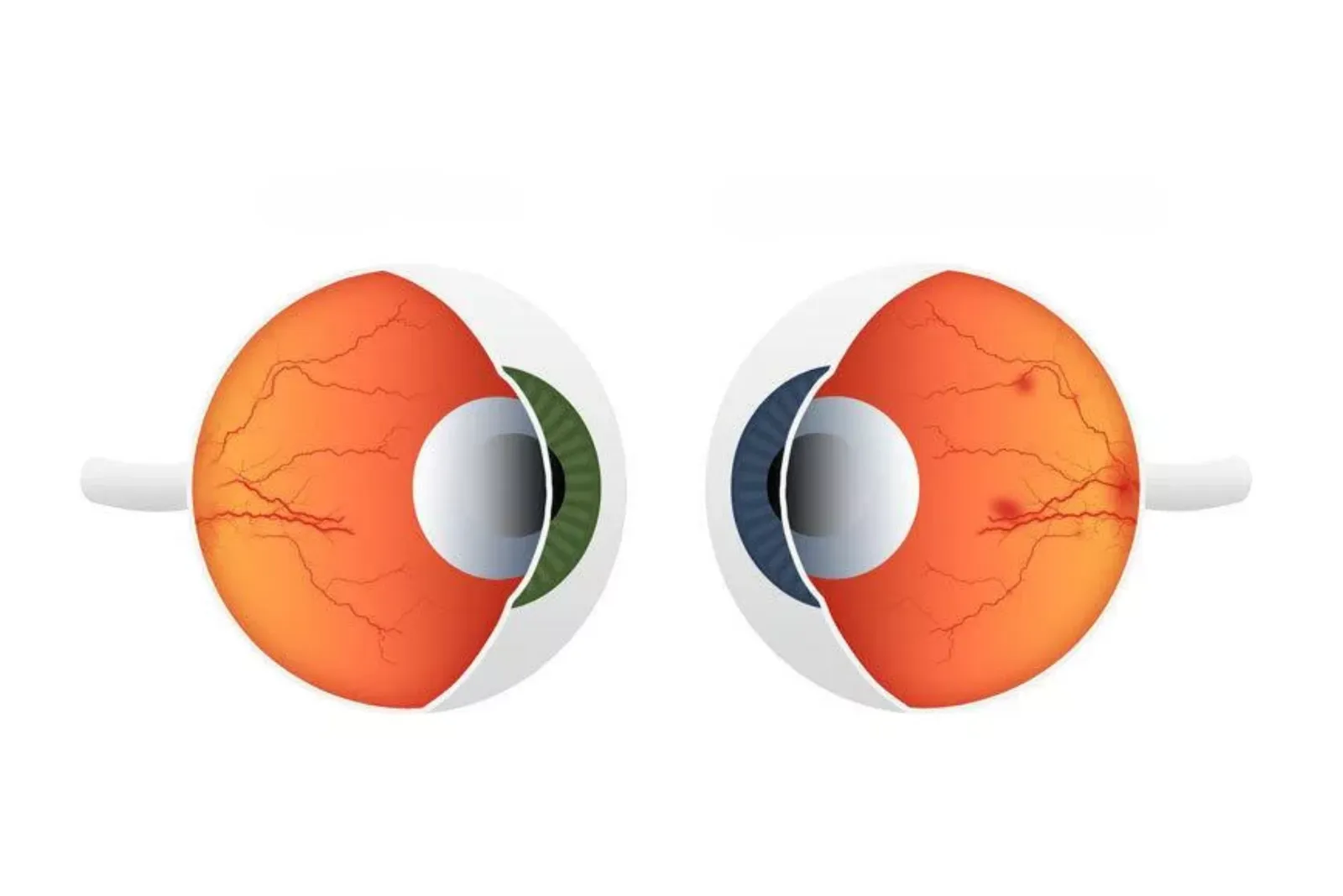
What is Diabetic Eye Care?
Diabetic eye disease refers to a group of eye conditions that affect people with diabetes — primarily diabetic retinopathy, diabetic macular edema, cataracts, and glaucoma. Early detection through regular screening is critical, as many diabetic eye conditions have no symptoms in early stages. Sarojana Eye Hospital provides comprehensive diabetic eye evaluations in Hasthinapuram, Hyderabad. High blood sugar damages tiny blood vessels in the retina over time, causing leakage, swelling, and abnormal new vessel growth that threatens sight. Because vision may remain normal until advanced damage occurs, annual dilated retina examination is recommended for all diabetics. Our ophthalmologists assess retinopathy severity, macular involvement, and cataract status, then create a monitoring or treatment plan coordinated with your physician's diabetes management. For patients near Nagarjuna Sagar Road, this proactive approach protects vision and supports long-term independence.
Why is Diabetic Eye Care Important?
Diabetic retinopathy often has no early symptoms
Vision can appear normal while retinal damage progresses silently in the background.
Regular screening prevents blindness
Early detection allows laser, injection, or monitoring before irreversible vision loss occurs.
Sugar control and eye care work together
Coordinated management with your physician slows disease progression and protects remaining sight.
Diabetes increases multiple eye risks
Cataracts and glaucoma are more common in diabetics and are assessed during comprehensive visits.
How is Diabetic Eye Care Performed at Sarojana Eye Hospital?
Dilated retina evaluation
After dilating drops, the retina and macula are examined for signs of retinopathy and swelling.
Risk assessment based on diabetes duration and control
Duration of diabetes, HbA1c trends, and existing retinopathy grade guide your follow-up schedule.
Monitoring schedule tailored to findings
Stable eyes may need annual review; active retinopathy requires closer surveillance every few months.
Coordination for further retinal treatment when required
Laser, anti-VEGF injections, or referral for advanced retinal surgery are arranged when indicated.
Who Should Consider Diabetic Eye Care?
Ideal candidates
- Anyone with type 1 or type 2 diabetes
- Patients with blurred vision or fluctuating sight
- Diabetics seeking retina screening in Hyderabad
Who should avoid / caution
- Skipping annual screening because vision feels normal
- Delaying eye care when blood sugar is poorly controlled without medical guidance
Recovery & Aftercare
Day 1
Screening is outpatient. Dilation may blur near vision for a few hours—bring sunglasses.
Week 1
If treatment such as laser or injection is started, specific aftercare instructions apply.
Month 1
Follow-up confirms disease stability or treatment response; next review date is scheduled.
Frequently Asked Questions about Diabetic Eye Care
How often should diabetics get eye exams?
Can good sugar control reverse eye damage?
Are there early symptoms of diabetic retinopathy?
What treatments are available for diabetic retinopathy?
Does diabetic eye care include cataract evaluation?
Can I drive after a diabetic eye screening?
You may also be interested in
Retina Evaluation
Advanced retinal imaging and evaluation for macular and retinal conditions
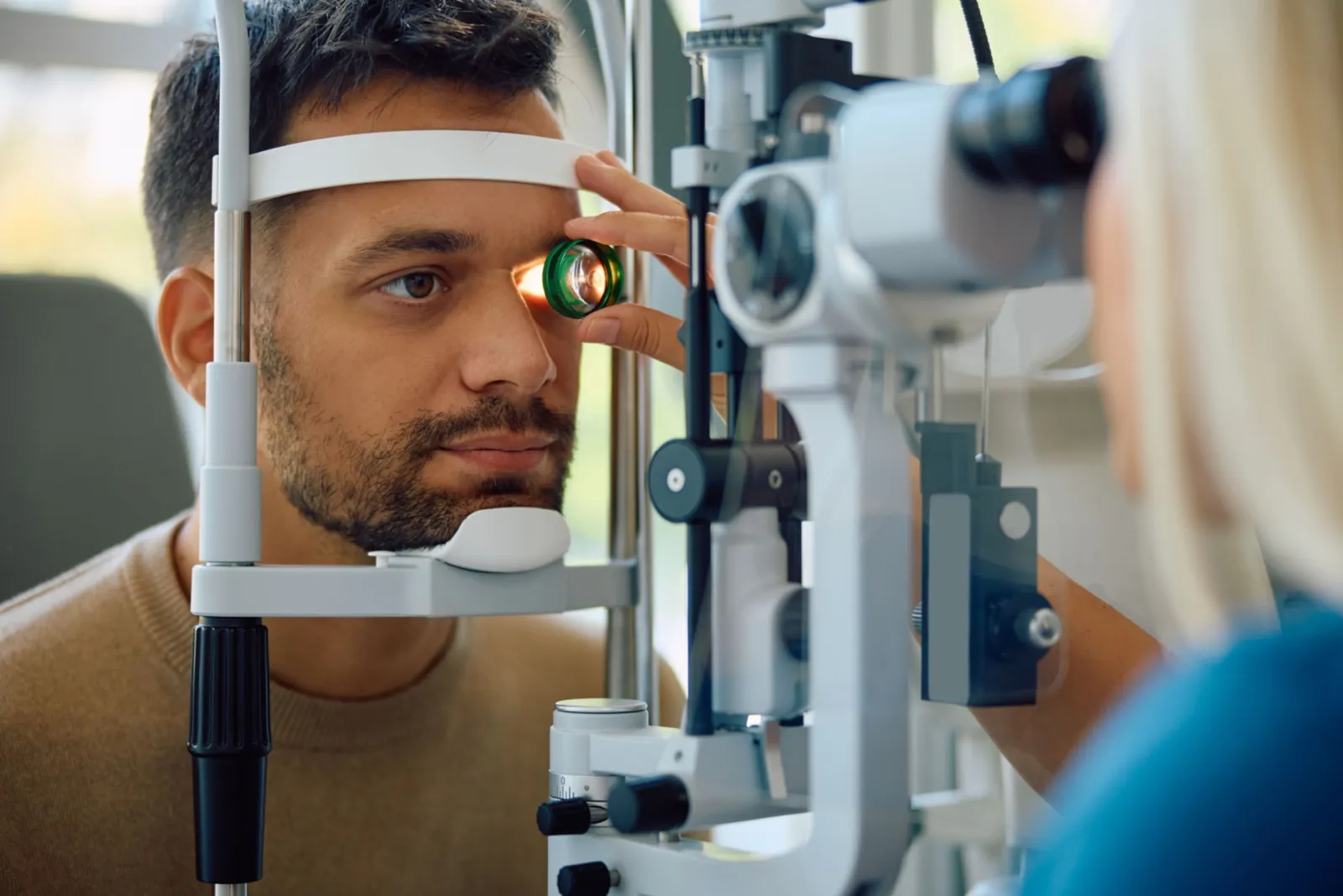
Comprehensive Eye Check Up
Complete 360° eye health assessment covering all aspects of ocular function
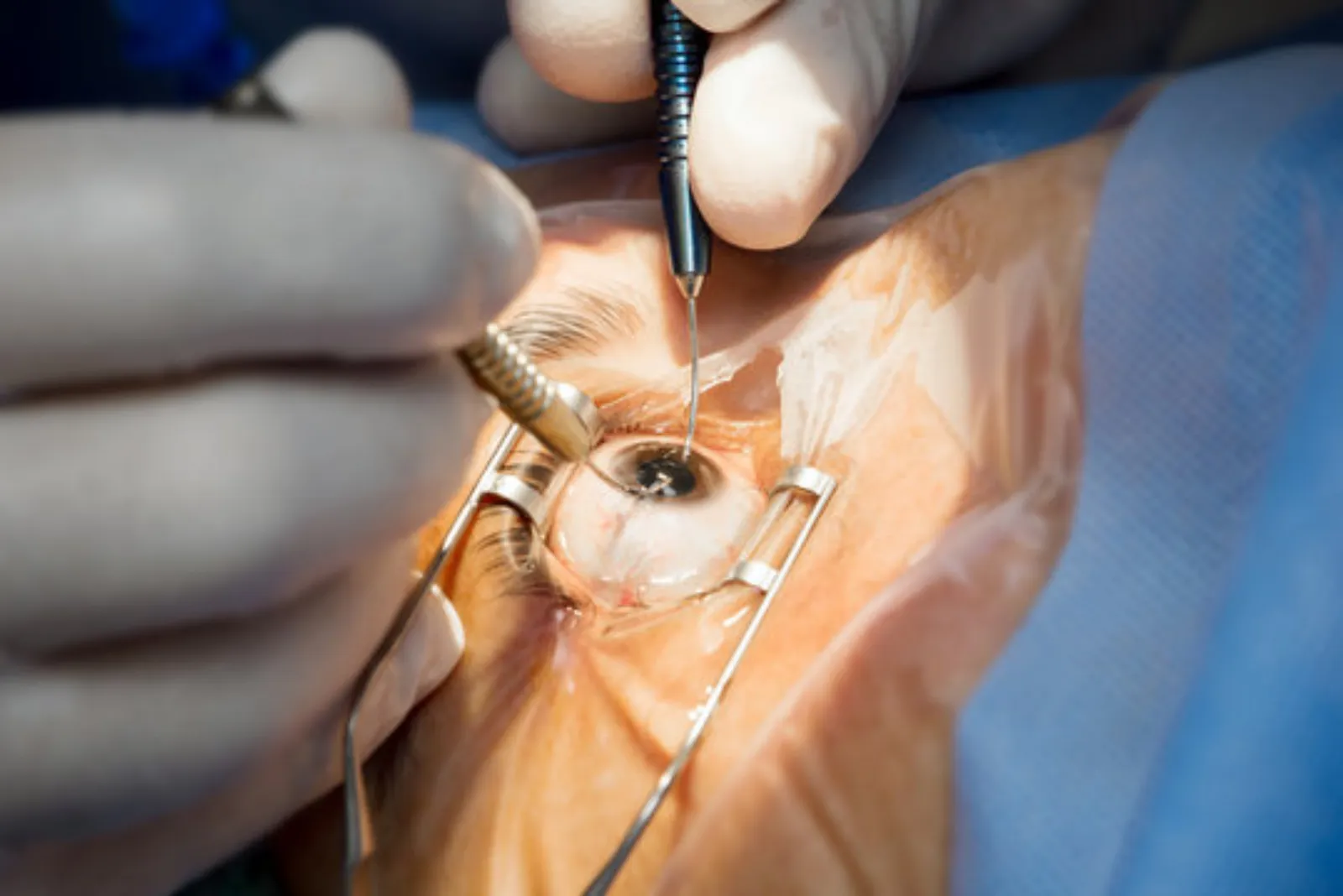
Phacoemulsification & Sutureless IOL Surgery
State-of-the-art ultrasonic cataract removal with stitch-free sutureless IOL implantation