Paediatric Eye Care in Hyderabad | Sarojana Eye Hospital
Child-friendly vision care including squint and lazy eye treatment
What is Paediatric Eye Care?
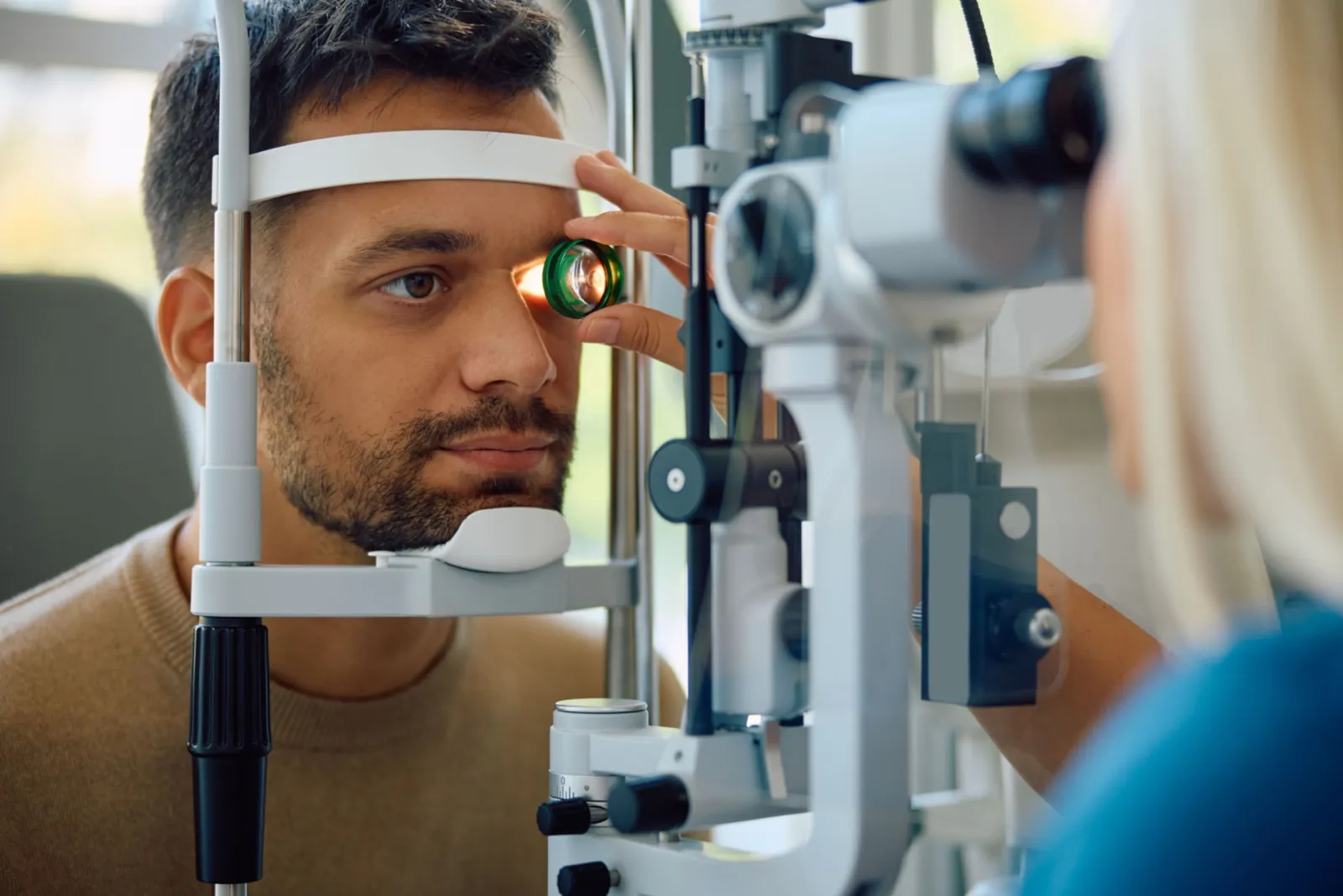
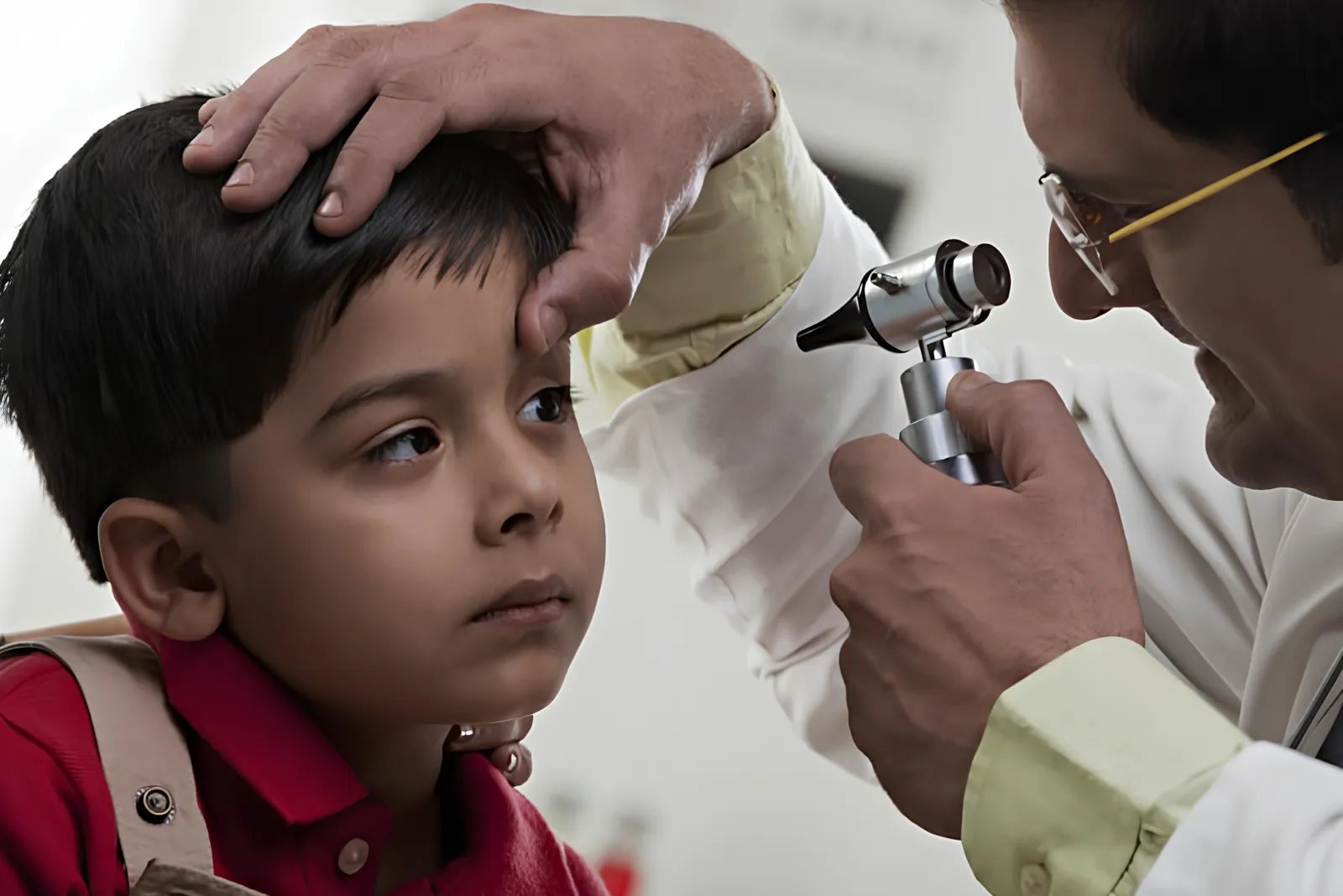
Paediatric eye care addresses children's vision development, refractive errors, squint (strabismus), and lazy eye (amblyopia). Sarojana Eye Hospital offers child-friendly examinations in Hasthinapuram so vision problems are caught while the visual system is still developing. The first few years of life are critical for visual brain development—if one eye does not receive a clear image due to refractive error or squint, permanent amblyopia can result. Our team uses age-appropriate testing methods that keep children comfortable while accurately assessing vision, eye alignment, and ocular health. We work closely with parents to explain findings, demonstrate patching or spectacle use at home, and schedule follow-ups to track progress. School vision screening referrals and concerns about reading difficulty or headaches are common reasons families visit us near Nagarjuna Sagar Road, Hyderabad. Early intervention gives every child the best chance of clear, balanced vision for learning and life.
Why is Paediatric Eye Care Important?
Visual development peaks in early childhood
Amblyopia must be treated before the visual system matures—delay can cause permanent one-eye vision loss.
Squint affects more than appearance
Misaligned eyes can reduce depth perception and cause amblyopia if not treated promptly.
School performance links to vision
Uncorrected refractive errors cause reading difficulty, headaches, and reduced classroom engagement.
Family-centred care reduces anxiety
Our Hasthinapuram clinic creates a gentle environment where children feel safe during eye examinations.
How is Paediatric Eye Care Performed at Sarojana Eye Hospital?
Age-appropriate vision screening
Picture charts, light reflex tests, and observation methods suited to your child's age assess basic vision.
Refraction and spectacle advice
Accurate prescription measurement—sometimes with dilation—determines if glasses are needed.
Squint and amblyopia evaluation
Eye alignment, fixation preference, and stereo vision are tested to detect strabismus and lazy eye.
Parent counselling on home therapy and follow-up
Patching schedules, spectacle wear, and review timing are explained clearly for home compliance.
Who Should Consider Paediatric Eye Care?
Ideal candidates
- Children with squint, eye rubbing, or sitting too close to screens
- School-age kids with reading difficulty or headaches
- Infants and toddlers with family history of eye disease
Who should avoid / caution
- Delaying evaluation when a squint or white pupil reflex is noticed
- Stopping patching therapy without doctor guidance before treatment course completes
Recovery & Aftercare
Day 1
Outpatient visit with any same-day spectacle prescription or patching plan provided to parents.
Week 1
Children adapt to new glasses or patching routines; parents monitor compliance and comfort.
Month 1
Follow-up assesses vision improvement and adjusts treatment intensity as needed.