
Pterygium Surgeries in Hyderabad | Sarojana Eye Hospital
Safe surgical removal of pterygium (surfer's eye) with minimal recurrence
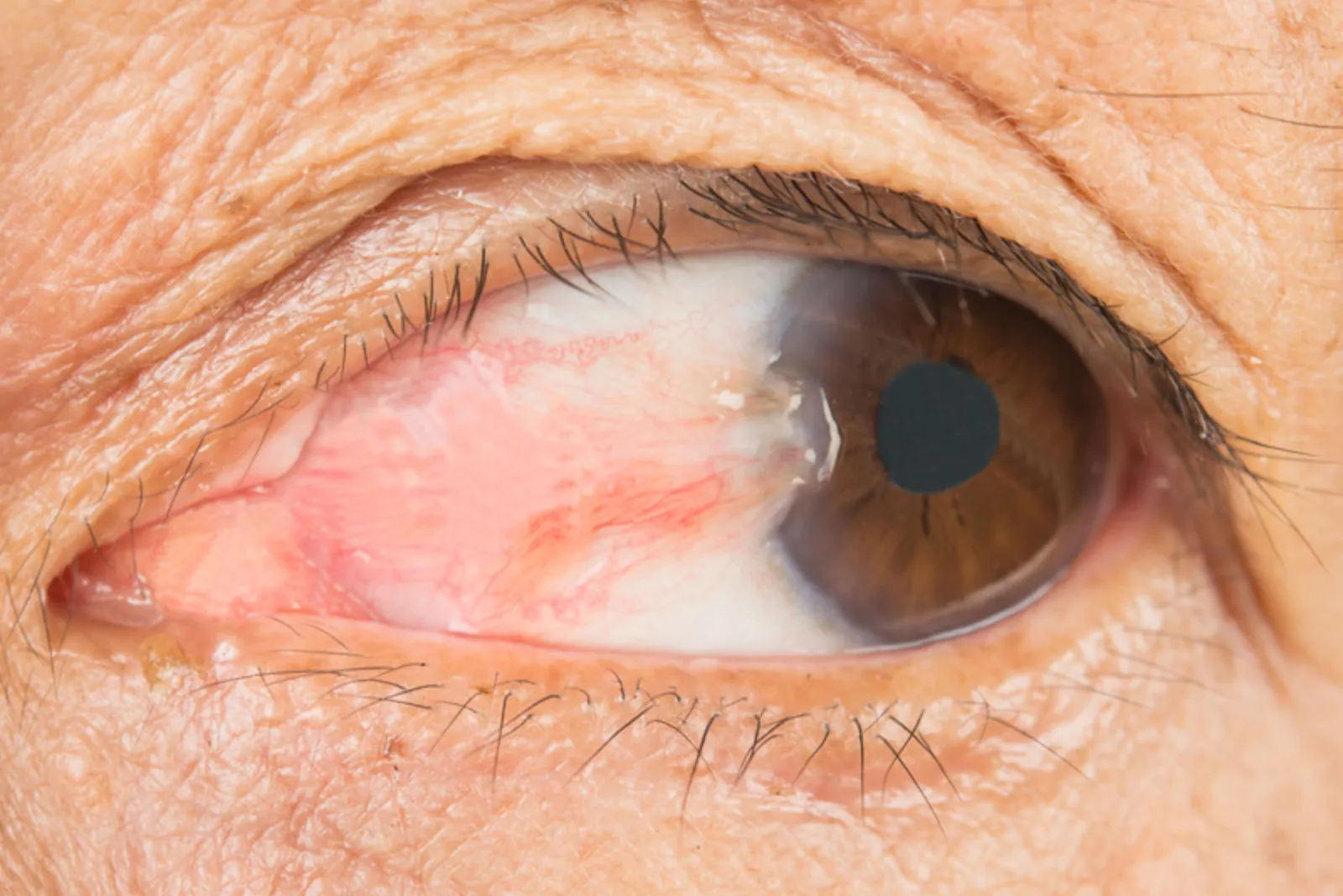
What is Pterygium Surgeries?
Pterygium surgery removes a fleshy growth on the conjunctiva that can extend onto the cornea—often called surfer's eye. At Sarojana Eye Hospital in Hasthinapuram, Hyderabad, we perform careful excision with techniques aimed at comfort and lower recurrence risk. A pterygium is a benign triangular growth that typically starts on the white of the eye near the nose and may slowly advance toward the cornea. Chronic UV exposure, dust, and dry environments common in outdoor work contribute to its development. While small growths may only cause occasional redness, larger pterygia can induce astigmatism, persistent irritation, and cosmetic concern. When lubricants and sunglasses no longer control symptoms, surgical removal restores ocular surface health. Our surgeons use modern excision methods with adjunctive graft or medication techniques to minimise recurrence. Patients near Nagarjuna Sagar Road receive clear post-operative guidance on sun protection and follow-up care for optimal healing.
Why is Pterygium Surgeries Important?
Growing pterygia threaten corneal clarity
Advanced growth onto the cornea can distort vision and cause chronic inflammation.
Surgery relieves persistent irritation
When drops and UV protection fail, excision restores comfort and appearance.
Modern techniques reduce recurrence
Adjunctive grafting and anti-inflammatory measures lower the chance of regrowth after surgery.
UV protection prevents new growth
Post-surgery sun protection is essential to maintain results long-term.
How is Pterygium Surgeries Performed at Sarojana Eye Hospital?
Clinical assessment of growth size and symptoms
We measure extension onto the cornea, assess astigmatism, and discuss whether surgery is indicated.
Surgical excision under sterile conditions
The pterygium is carefully removed under local anaesthesia in a sterile operating environment.
Adjunctive measures to reduce recurrence risk
Conjunctival grafting or anti-scarring medication may be applied to minimise regrowth.
Post-operative medication and review visits
Antibiotic and steroid drops are prescribed with scheduled checks to monitor healing.
Who Should Consider Pterygium Surgeries?
Ideal candidates
- Patients with enlarging or inflamed pterygium
- Those with vision changes from corneal involvement
- People exposed to high UV seeking treatment in Hyderabad
Who should avoid / caution
- Surgery during active uncontrolled eye infection
- Expecting zero recurrence risk without post-operative UV protection
Recovery & Aftercare
Day 1
Eye may be red and watery. Use prescribed drops and wear protective eyewear outdoors.
Week 1
Redness and discomfort gradually improve. Most desk-based work can resume within days.
Month 1
Surface healing completes; vision stabilises and follow-up confirms satisfactory outcome.
Full Recovery
Complete healing typically occurs within 4–6 weeks. Strict UV protection continues long-term to prevent recurrence.
Frequently Asked Questions about Pterygium Surgeries
Can pterygium come back after surgery?
Is surgery the only option?
How soon can I return to work?
Is pterygium surgery painful?
What causes pterygium?
Will surgery improve my vision?
You may also be interested in
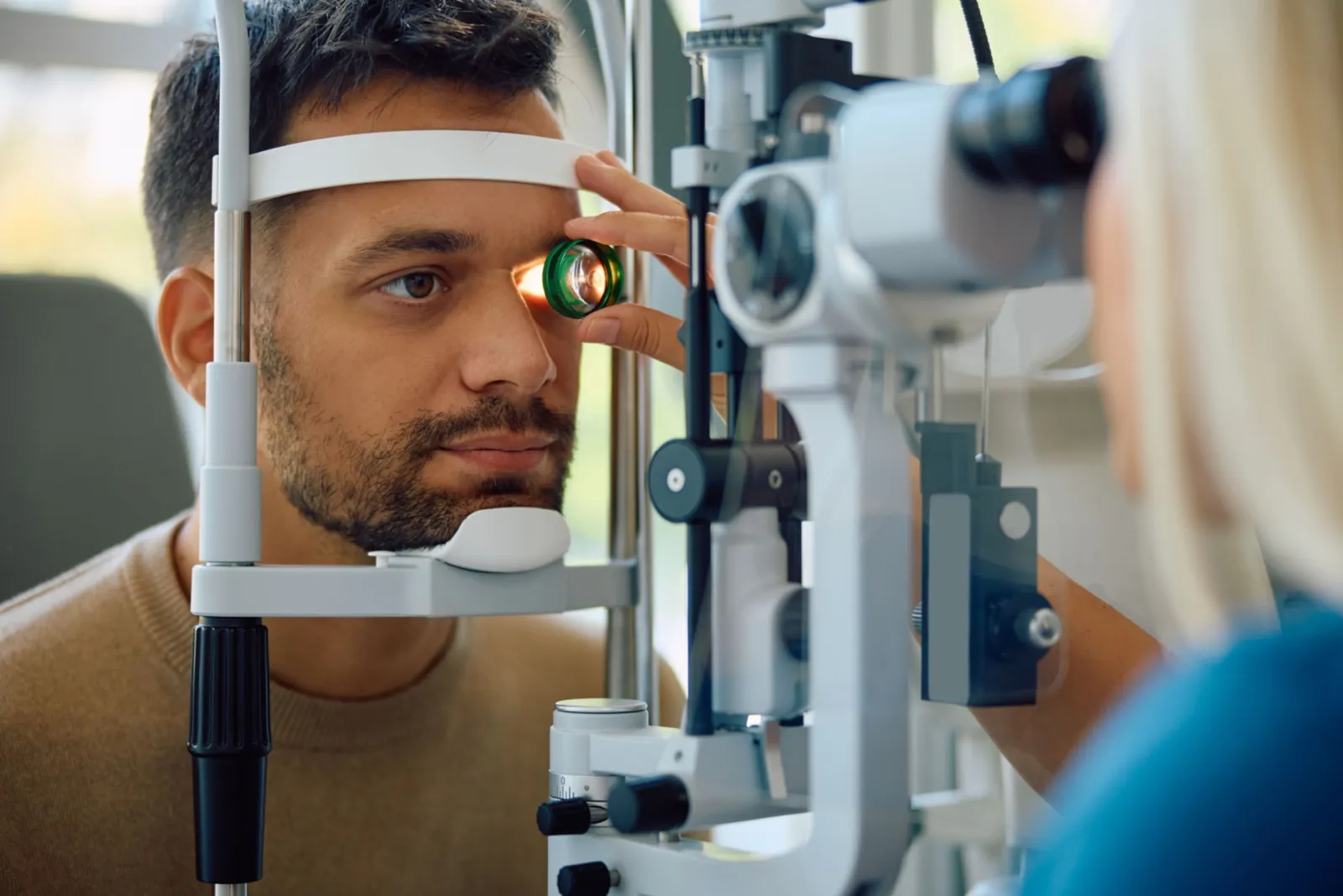
Comprehensive Eye Check Up
Complete 360° eye health assessment covering all aspects of ocular function
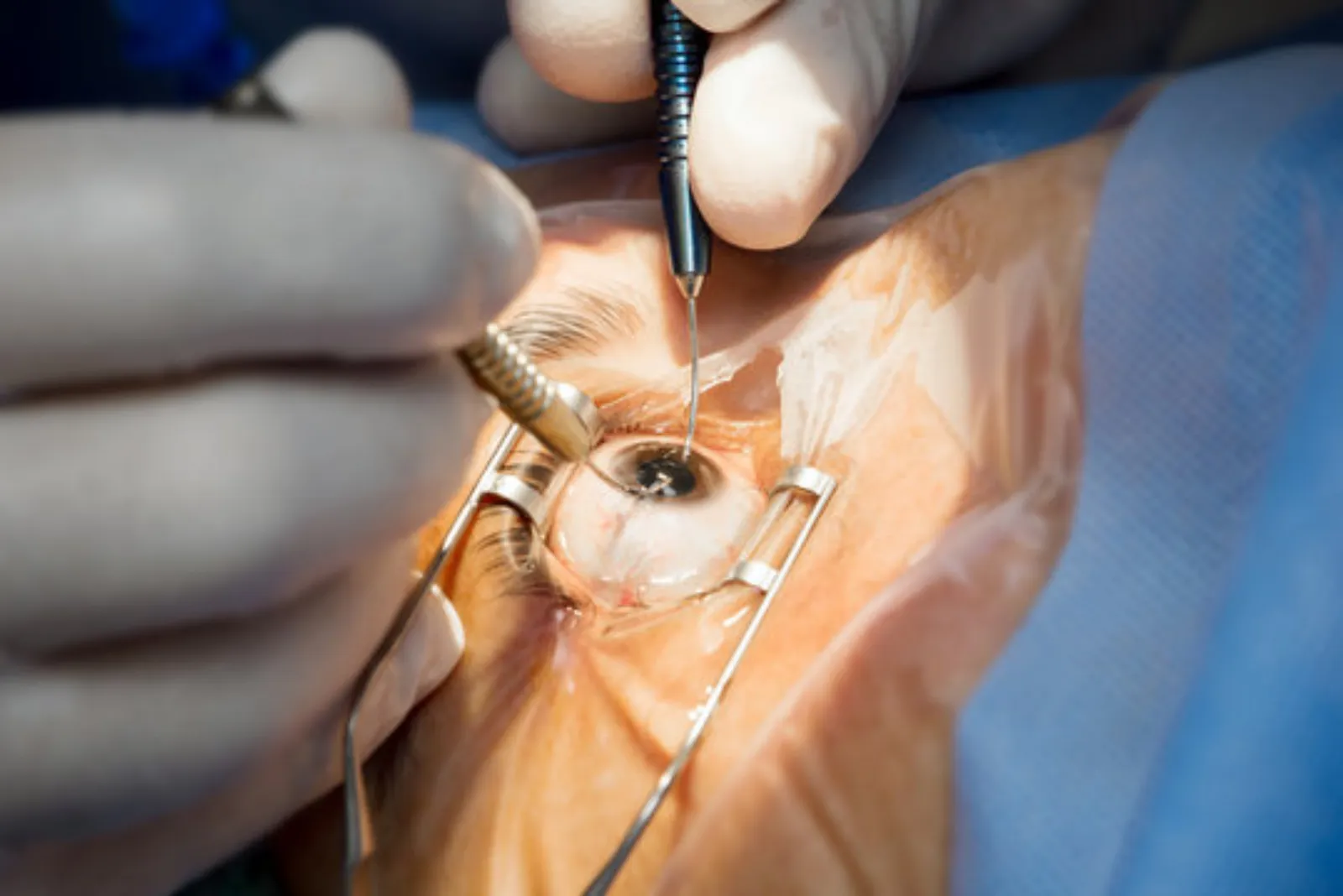
Phacoemulsification & Sutureless IOL Surgery
State-of-the-art ultrasonic cataract removal with stitch-free sutureless IOL implantation
Retina Evaluation
Advanced retinal imaging and evaluation for macular and retinal conditions