
TRANS PRK in Hyderabad | Sarojana Eye Hospital
Touchless, bladeless surface laser eye surgery — no flap, no contact with the eye
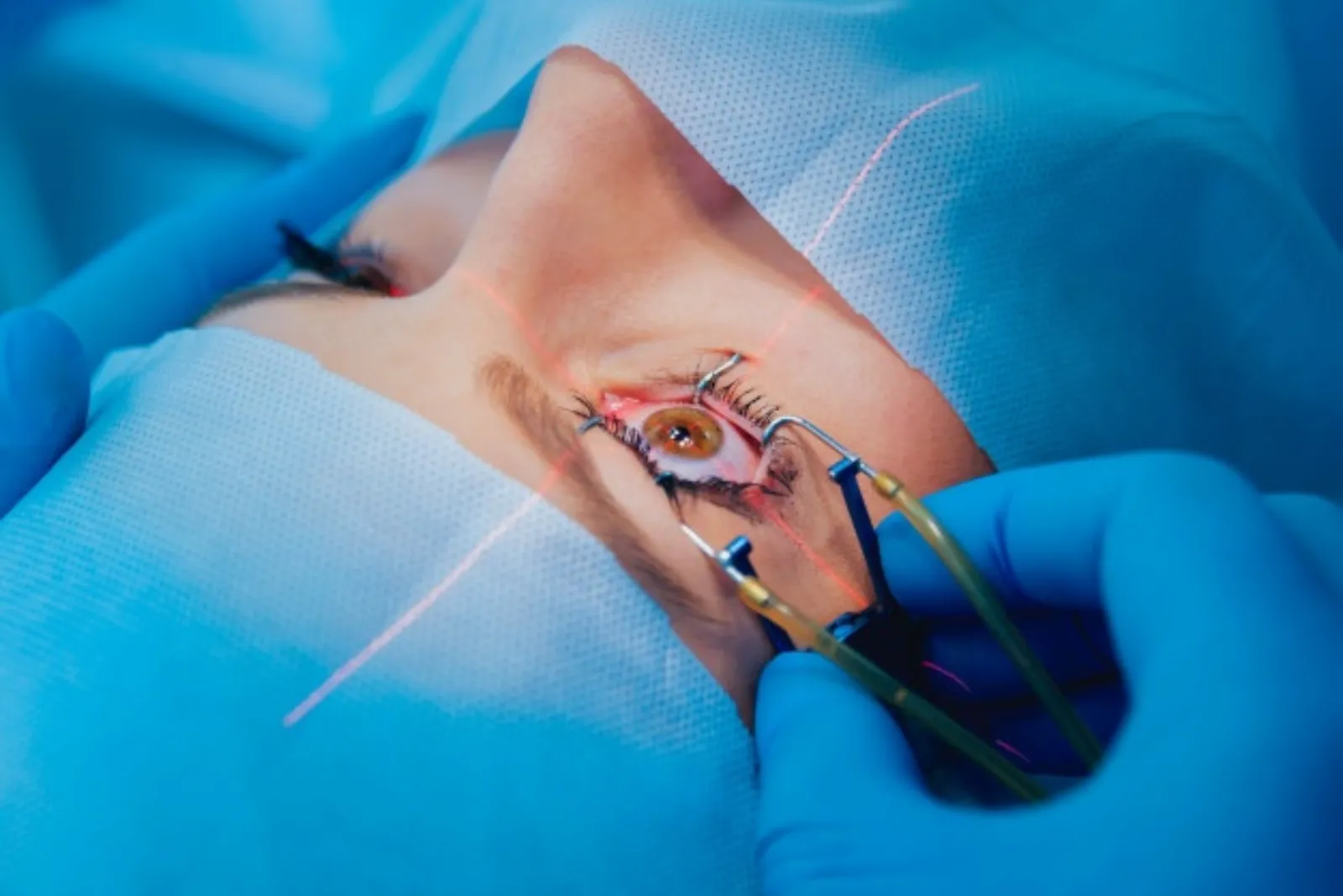
What is TRANS PRK?
TRANS PRK (Transepithelial Photorefractive Keratectomy) is a no-touch surface laser procedure that removes the epithelium and reshapes the cornea in a single laser step. At Sarojana Eye Hospital in Hasthinapuram, Hyderabad, it is offered as a flapless alternative for patients who may not be ideal LASIK candidates. Unlike LASIK, there is no blade or flap — the laser works entirely on the corneal surface. This can be preferable for thinner corneas, certain occupations, and contact sports. After treatment, a soft bandage contact lens protects the eye while the epithelium regenerates. Your surgeon will compare TRANS PRK with LASIK, SMARTSURF, INTRALASE, and SMILE after a full refractive work-up near Nagarjuna Sagar Road.
Why is TRANS PRK Important?
No corneal flap
Eliminates flap-related complications and can suit patients who prefer a surface-only approach.
Option for thinner corneas
Many patients who are borderline for LASIK flaps may still be candidates for carefully planned TRANS PRK.
Active and contact lifestyles
Without a flap, there is no risk of flap displacement from trauma during sports or physical work.
Guided choice among laser options
At Sarojana Eye Hospital, TRANS PRK is recommended only when measurements and lifestyle make it the better fit.
How is TRANS PRK Performed at Sarojana Eye Hospital?
Pre-op corneal evaluation
Refraction, topography, thickness, and ocular surface health confirm whether TRANS PRK is suitable.
Single-step laser treatment
The laser removes epithelium and reshapes the cornea in one continuous, no-touch sequence.
Bandage lens placement
A soft protective contact lens is placed to support comfort while the surface regenerates.
Medication and aftercare
Antibiotic and anti-inflammatory drops are prescribed with clear home-care instructions.
Healing follow-ups
Reviews track epithelial healing, vision recovery, and long-term refractive stability.
Who Should Consider TRANS PRK?
Ideal candidates
- Patients seeking flapless laser vision correction
- People with thinner corneas not ideal for LASIK flaps
- Active lifestyles or contact sports participants
- Adults with stable refractive error after detailed evaluation
Who should avoid / caution
- Unstable or rapidly changing prescription
- Active corneal disease, uncontrolled dry eye, or infection
- Pregnancy, breastfeeding, or conditions needing specialist clearance
Recovery & Aftercare
Days 1–3
Expect surface discomfort, light sensitivity, and blur. Use drops and rest as advised; keep the bandage lens in place.
Week 1
Epithelium typically regenerates. Discomfort eases and functional vision begins to return for many patients.
Weeks 2–4
Clarity continues to improve. Avoid dusty environments, swimming, and eye rubbing until cleared.
Full Recovery
Vision usually stabilises over several weeks to months. Attend all follow-ups for best outcomes.
Frequently Asked Questions about TRANS PRK
How is TRANS PRK different from LASIK?
Is TRANS PRK painful?
How long is recovery after TRANS PRK?
Who is a good candidate for TRANS PRK?
Can TRANS PRK correct astigmatism?
Is TRANS PRK available in Hasthinapuram?
You may also be interested in
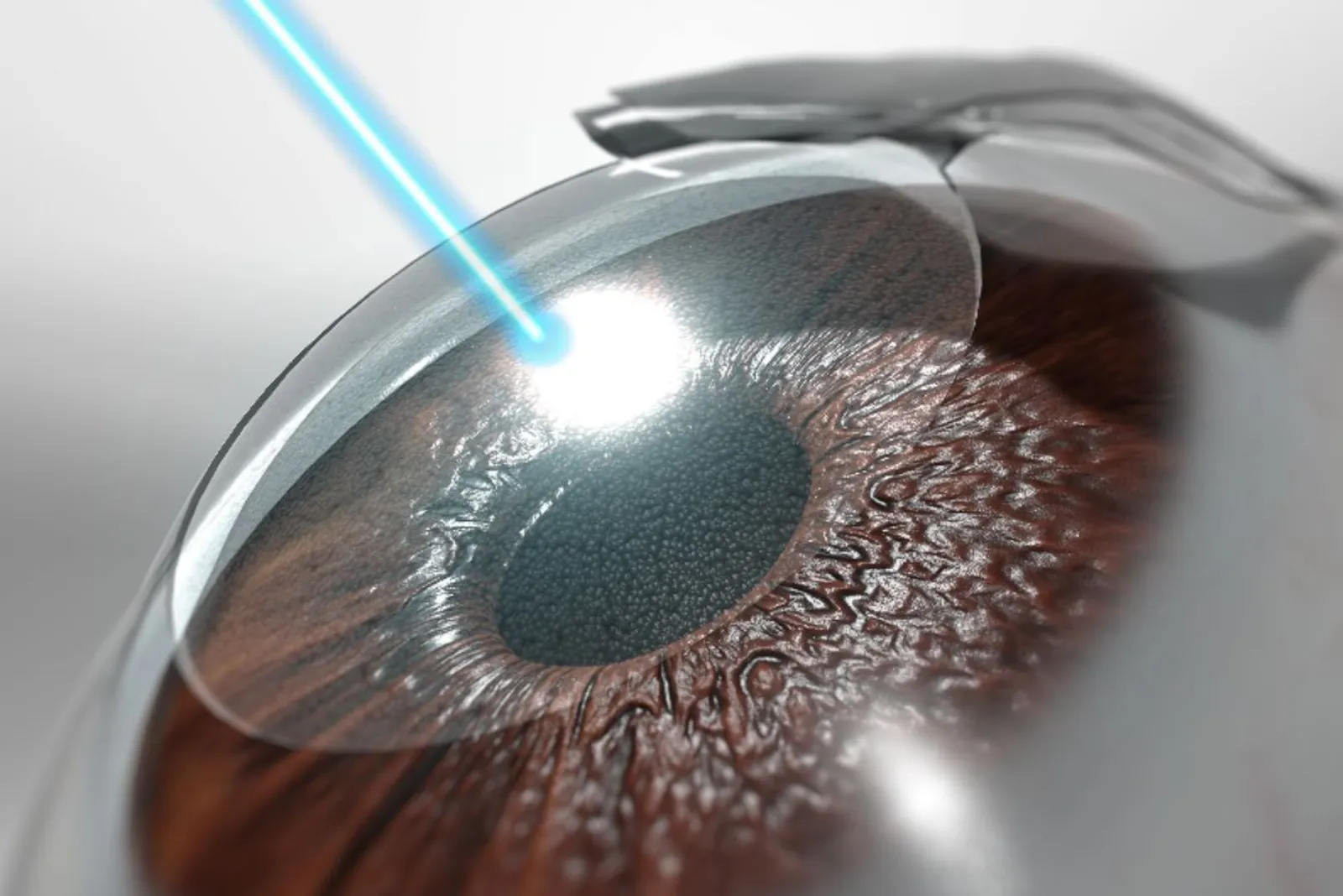
LASIK Surgery
Laser vision correction for myopia, hyperopia, and astigmatism with rapid recovery
SMARTSURF
Advanced surface ablation for smooth visual outcomes with attention to dry-eye comfort
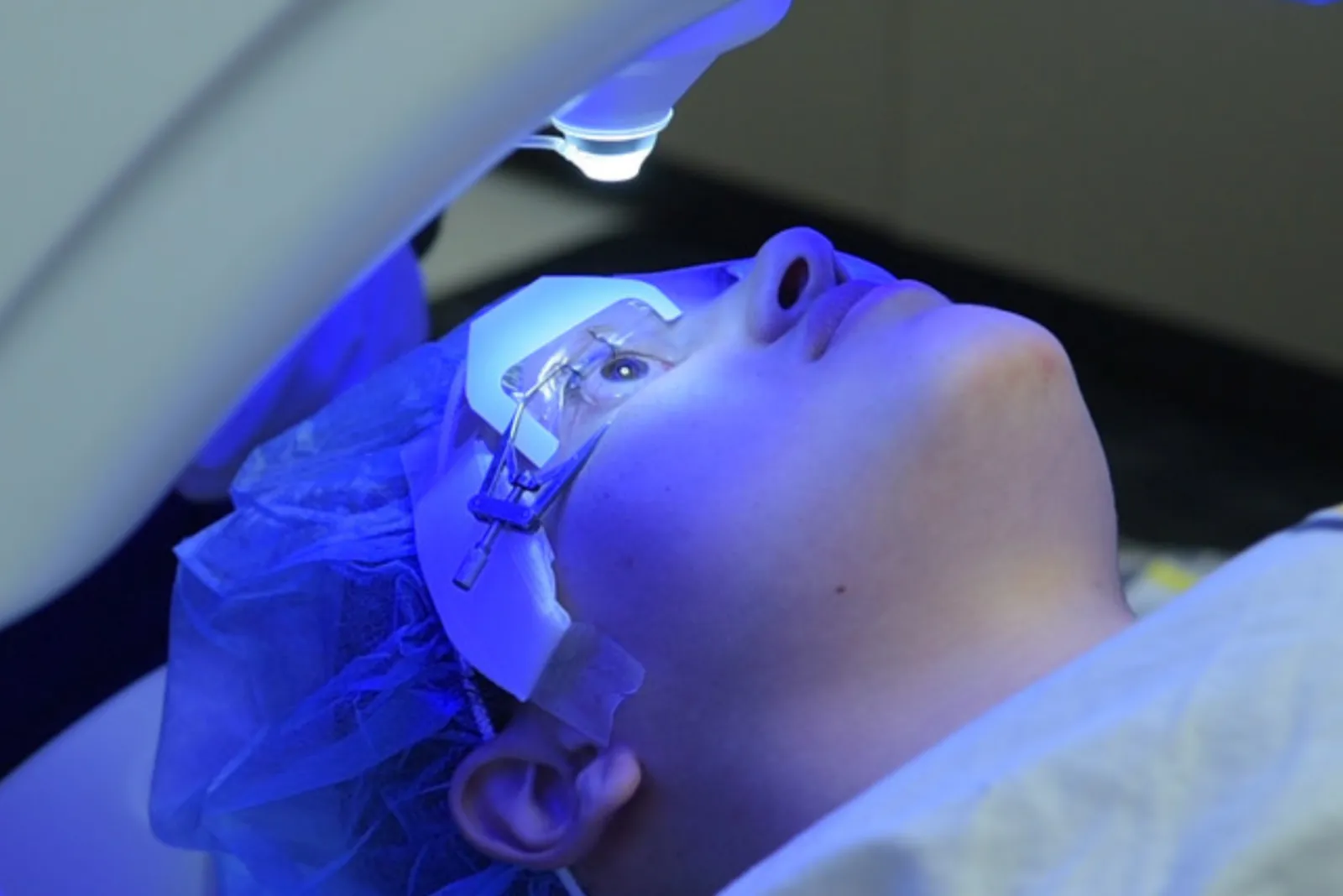
SMILE
Minimally invasive flapless laser vision correction through a tiny keyhole incision
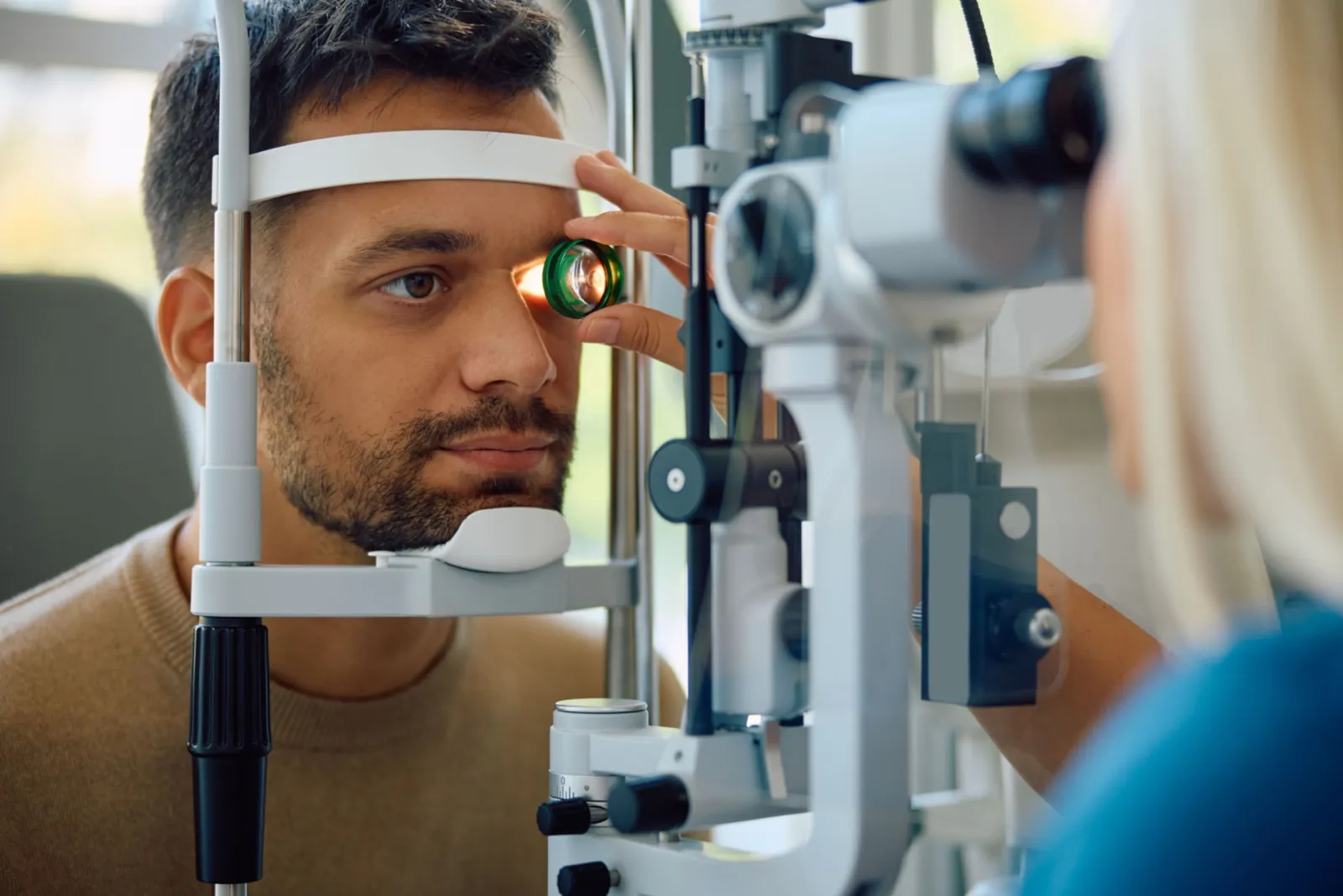
Comprehensive Eye Check Up
Complete 360° eye health assessment covering all aspects of ocular function